Spleen Disease: Causes, Symptoms & Advanced Treatment at Siddhi Vinayak Surgical Hospital | Dr. Ghanshyam Parmar

Introduction to Spleen Disease

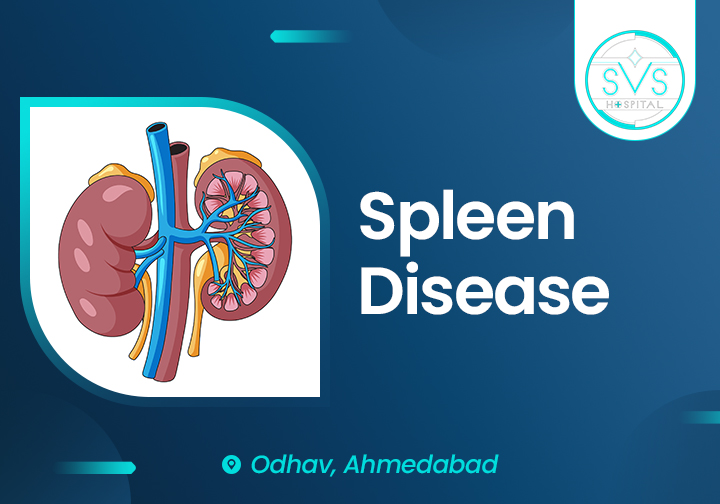
The spleen is a small but vital organ located on the left side of the abdomen. It plays a major role in filtering blood, fighting infections, and maintaining overall immunity. When spleen disease develops, it affects the body’s ability to manage blood cells and fight infection.

Many spleen diseases remain silent until they become severe. This makes timely diagnosis and expert care extremely important.

At Siddhi Vinayak Surgical Hospital, Dr. Ghanshyam Parmar provides advanced diagnostic evaluation and surgical treatment for all spleen-related conditions.

Role of the Spleen

The spleen performs several important functions:

1. Filters Blood

Removes damaged or old red blood cells.

2. Fights Infection

Produces white blood cells that help immunity.

3. Stores Blood Cells

Acts as a reservoir for platelets and immune cells.

4. Supports the Immune System

Responds quickly to infections in the body.

Damage to the spleen or its diseases can severely affect the immune system.

Types of Spleen Diseases

1. Splenomegaly (Enlarged Spleen)

A common condition where the spleen becomes larger due to infection, liver disease, or blood disorders.

2. Ruptured Spleen

Often due to trauma or injury. It is a medical emergency.

3. Spleen Infection

Bacterial, viral, or parasitic infections may lead to swelling and pain.

4. Spleen Cysts

Fluid-filled sacs inside the spleen; may require surgery if large.

5. Spleen Tumors

Rare but serious; can be benign or cancerous.

6. Hypersplenism

The spleen becomes overactive and destroys blood cells excessively.

7. Blood-Related Spleen Disorders

Conditions like leukemia, lymphoma, or anemia affect spleen function.

Causes of Spleen Diseases

Spleen disease can develop due to:

  • Bacterial or viral infections

  • Liver diseases like cirrhosis

  • Blood cancers

  • Autoimmune diseases

  • Malaria or typhoid

  • Abdominal trauma

  • Genetic blood disorders (e.g., thalassemia)

These conditions cause the spleen to enlarge or function abnormally.

Risk Factors

You’re more likely to develop spleen issues if you have:

  • Weak immune system

  • Chronic infections

  • Liver disease

  • Alcohol addiction

  • Family history of blood disorders

  • Frequent abdominal injuries

  • Uncontrolled inflammatory diseases

Symptoms of Spleen Disease

Common signs include:

  • Pain in the left upper abdomen

  • Pain spreading to left shoulder

  • Early fullness while eating

  • Fatigue or weakness

  • Frequent infections

  • Easy bruising or bleeding

  • Anemia symptoms (pale skin, dizziness)

Many people ignore these symptoms thinking they are minor stomach issues.

Severe Symptoms Requiring Immediate Medical Attention

  • Sudden, sharp abdominal pain

  • Low blood pressure

  • Confusion or dizziness

  • Rapid heartbeat

  • Internal bleeding symptoms

  • Fainting

A ruptured spleen can be life-threatening.

Complications If Spleen Disease Is Left Untreated

  • Internal bleeding

  • Severe anemia

  • Low platelets

  • Weak immunity

  • Increased infection risk

  • Organ failure

  • Need for emergency surgery

Diagnosis at Siddhi Vinayak Surgical Hospital

1. Blood Tests

Check for anemia, infection, and platelet levels.

2. Ultrasound

Detects spleen size and structural problems.

3. CT Scan

Provides detailed images for trauma or tumors.

4. MRI

Useful for complex spleen disorders.

5. Bone Marrow Tests

Done if a blood cancer or disorder is suspected.

6. Biopsy

Confirms cysts, tumors, or infection type.

Treatment Options

1. Medications

Used for:

  • Infections

  • Autoimmune diseases

  • Blood disorders

  • Pain relief

2. Treating the Underlying Cause

Example:

  • Treating hepatitis reduces spleen enlargement

  • Managing anemia protects spleen function

3. Blood Transfusions

For severe anemia or low platelets.

4. Endoscopic & Minimally Invasive Procedures

Used for certain bleeding disorders.

5. Surgery (Splenectomy)

Recommended for:

  • Ruptured spleen

  • Large cysts

  • Tumors

  • Hypersplenism

  • Severe splenomegaly

Laparoscopic splenectomy is preferred due to minimal pain and faster recovery.

 Prevention Tips

  • Use seatbelts to avoid abdominal injury

  • Avoid alcohol-related liver damage

  • Maintain good immunity

  • Treat infections early

  • Manage chronic diseases like hepatitis

Best Gastro & Laparoscopic Surgeon in India

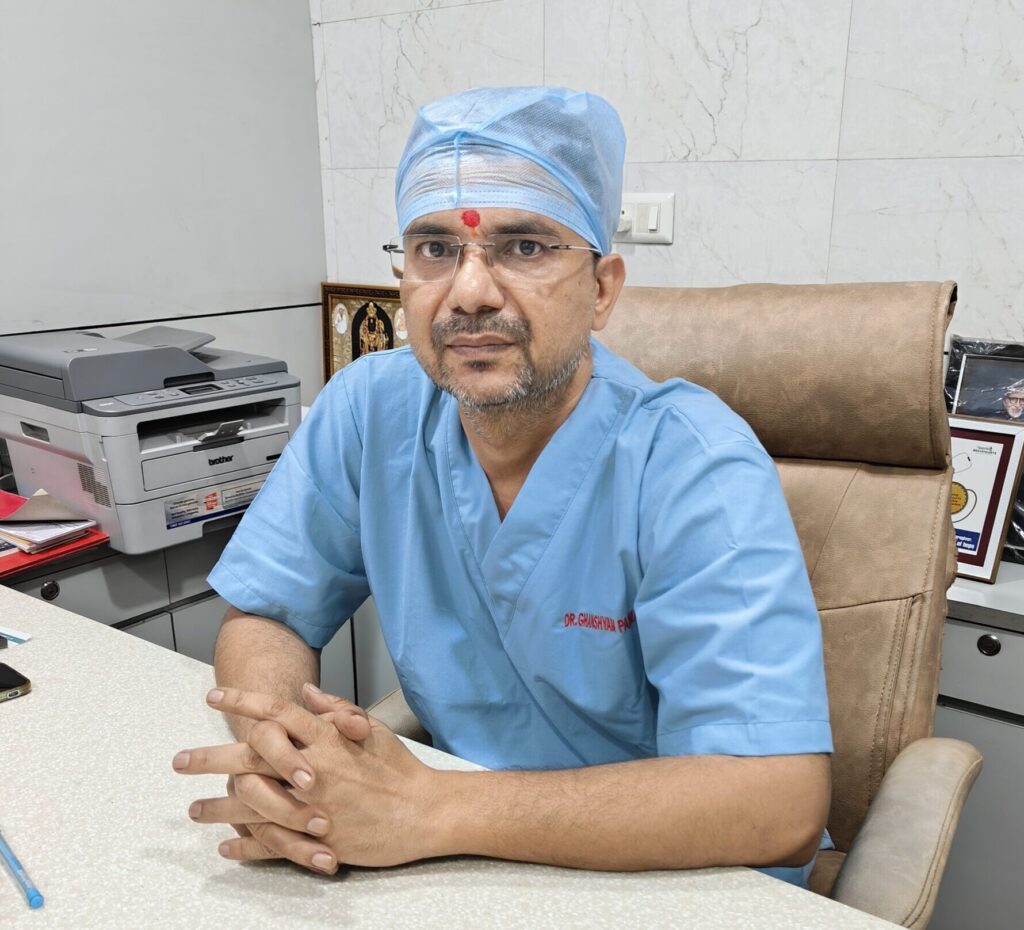
Dr. Ghanshyam Parmar

(M.S.) - Laparoscopic, Bariatric & General Surgeon

Dr. Ghanshyam Parmar is a highly experienced and renowned Laparoscopic and Bariatric Surgeon, known for his precision, compassionate care, and advanced surgical expertise. With years of dedicated experience, he successfully treated thousands of patients with minimally invasive techniques that ensure faster recovery and better results.

Extensive experience in advanced laparoscopic and bariatric surgeries Specialized expertise in gallbladder, appendix, hernia, endocrine & gastrointestinal surgeries
Performs minimally invasive procedures ensuring less pain and quicker recovery

known for handling complex and critical surgical cases with high success rates
Dedicated full-time surgeon at Siddhi Vinayak Surgical Hospital & Trauma Center

Why Choose us

Expert Surgeon

From laparoscopic, bariatric, endocrine, Gl hernia, urology, and trauma surgeries - SVS Hospital delivers complete surgical solutions. major and ondition

Advanced Minimally Invasive Technology

Our hospital is equipped with the latest HD laparoscopic systems, modern surgical instruments, and advanced diagnostic facilities ensuring minimal pain, fewer complications, and faster recovery.

Comprehensive Surgical Care Under One Roof

From laparoscopic, bariatric, endocrine, Gl, hernia, urology, and trauma surgeries-SVS Hospital delivers complete surgical solutions. for every major and minor condition.

24×7 Trauma & Emergency

We provide round-the-clock emergency care with a fully trained team to handle accidents, acute abdomen, injuries, and urgent surgical situations with immediate attention.

Patient-Centric Approach & Ethical Care

Every patient receives personalized treatment, clear guidance, and compassionate care. We believe in ethical practice, transparency, and building trust through honest communication.

High Success Rate & Excellent Post-Operative Recovery

Our expert surgical methods, advanced technology, and strict safety protocols ensure superior treatment success, smooth post-surgery recovery, and long-term health benefits.

Our Patient Love us

Where Minimally Invasive Care Leads to Maximum Recovery

SF-2, Siddhi Vinayak Arcade, Odhav Rd, Above BOI Bank, Odhav Industrial Estate, Odhav, Ahmedabad, Gujarat 382415

Scroll to Top