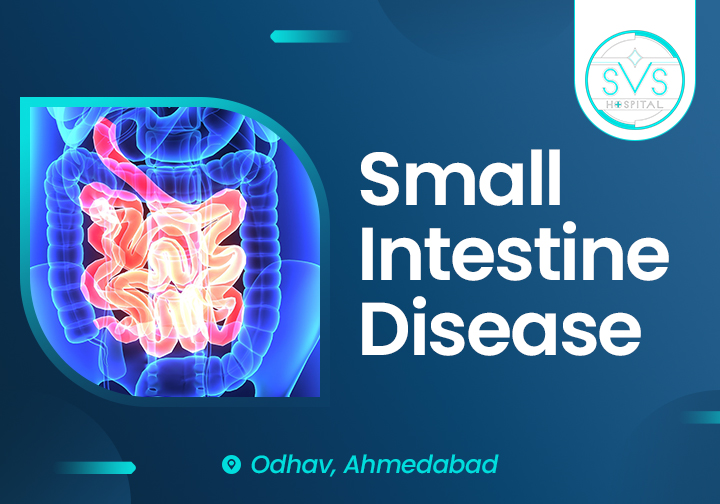
Role of the Small Intestine
The small intestine performs several vital functions:
1. Digestion
Breaks down carbohydrates, proteins, and fats using enzymes.
2. Absorption
Absorbs vitamins, minerals, nutrients, and water.
3. Immune Protection
Contains immune cells that protect the body from infections.
4. Coordination
Works closely with the stomach, pancreas, and liver to ensure smooth digestion.
Damage to the small intestine affects the entire digestive system.
Types of Small Intestine Diseases
1. Small Intestinal Infection
Caused by bacteria, viruses, or parasites — leads to diarrhea and pain.
2. Crohn’s Disease
A chronic autoimmune disorder causing inflammation and ulcers.
3. Celiac Disease
Gluten intolerance causing immune damage to the small intestine lining.
4. Intestinal Obstruction
Food, gas, or fluid cannot pass — requires urgent treatment.
5. Small Intestine Cancer
Rare but serious; early detection is important.
6. Peptic Ulcers
Ulcers in the small intestine (duodenum) caused by acid or infection.
7. Malabsorption Syndrome
The intestine fails to absorb nutrients, causing weakness and weight loss.
8. Intestinal Ischemia
Reduced blood supply causing tissue death.
9. Worm Infestation
Roundworms, hookworms, and tapeworms commonly affect the intestine.
Causes of Small Intestine Diseases
Diseases may occur due to:
-
Poor diet
-
Contaminated food or water
-
Autoimmune problems
-
Chronic inflammation
-
Bacterial or viral infections
-
Reduced intestinal blood flow
-
Tumors
-
Long-term medication use
-
Allergy to gluten or foods
Risk Factors
You’re more at risk if you have:
-
Poor hygiene habits
-
Smoking or drinking habits
-
Weak immunity
-
Family history of intestinal issues
-
Heavy junk food intake
-
Existing digestive problems
-
Stress and lack of sleep
Symptoms of Small Intestine Diseases
Common symptoms include:
-
Cramping or abdominal pain
-
Bloating and gas
-
Nausea or vomiting
-
Chronic diarrhea
-
Constipation (in obstruction)
-
Weight loss
-
Pale or oily stool
-
Fatigue
-
Nutrient deficiencies (iron, B12, calcium)
-
Blood or mucus in stool
Symptoms vary depending on the exact disease.
Severe Symptoms Requiring Emergency Care
-
Sudden inability to pass stool or gas
-
Persistent vomiting (green or black)
-
Sharp, unbearable abdominal pain
-
High fever with chills
-
Black, tarry stools
-
Severe dehydration
These may indicate obstruction, perforation, or severe infection.
Complications If Small Intestine Disease Is Ignored
Untreated intestinal diseases can lead to:
Early diagnosis prevents long-term damage.
Diagnosis at Siddhi Vinayak Surgical Hospital
1. Blood Tests
Check anemia, infection, and malnutrition.
2. Stool Tests
Detect parasites, blood, or inflammation.
3. Ultrasound Abdomen
Shows swelling or obstruction.
4. CT Scan
Identifies inflammation, obstruction, and tumors.
5. Endoscopy
Examines the upper small intestine.
6. Colonoscopy
Evaluates the lower intestine.
7. Biopsy
Confirms celiac disease, cancer, or chronic inflammation.
8. MRI Enterography
High-resolution imaging of the entire small intestine.
Treatment Options
1. Medications
2. Diet and Lifestyle Changes
-
Gluten-free diet for celiac disease
-
Low-fiber diet for obstruction
-
High-protein diet for malnutrition
-
Hydration and electrolyte solutions
3. Enzyme Supplements
For malabsorption disorders.
4. Endoscopic Treatments
Used to treat bleeding, polyps, or narrowing.
5. Surgery
Required for:
-
Intestinal obstruction
-
Severe Crohn’s disease
-
Tumors
-
Perforation
-
Chronic ulcers
Laparoscopic surgery ensures faster recovery with minimal pain.
Living With Small Intestine Disease
To manage symptoms:
-
Eat easy-to-digest foods
-
Avoid spicy or oily meals
-
Take supplements if advised
-
Follow a structured diet plan
-
Avoid alcohol and smoking
-
Stay hydrated
-
Manage stress
-
Regular follow-up appointments
Lifestyle is key to long-term intestinal health.
Prevention Tips
-
Practice good hygiene
-
Wash vegetables and fruits
-
Avoid stale or contaminated food
-
Maintain a balanced diet
-
Exercise daily
-
Drink clean water
-
Reduce alcohol consumption
Healthy habits protect the small intestine from infections and inflammation