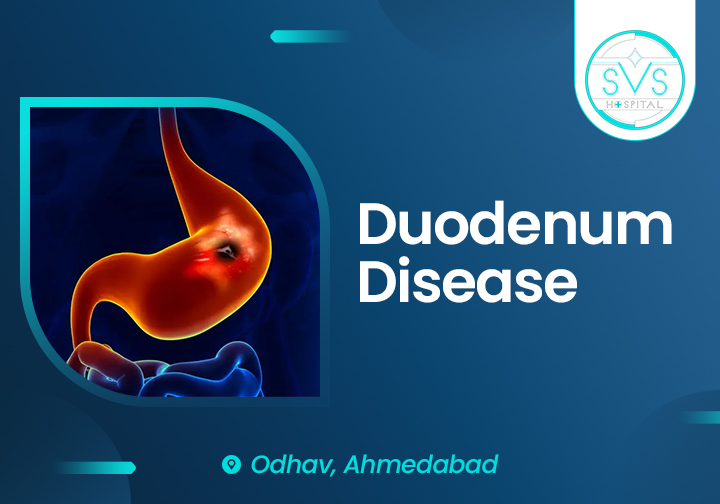
Duodenum Disease: Causes, Symptoms & Treatment at Siddhi Vinayak Surgical Hospital | Dr. Ghanshyam Parmar

Introduction to Duodenum Disease

The duodenum is the first part of the small intestine, located just after the stomach. It plays a major role in digestion by receiving bile, pancreatic enzymes, and food from the stomach. When the duodenum becomes inflamed, blocked, or ulcerated, it can cause severe digestive problems and long-term complications.

Duodenum diseases often begin with mild symptoms but can turn serious if left untreated. That’s why timely diagnosis and advanced care at Siddhi Vinayak Surgical Hospital is important.

Types of Duodenum Diseases

Several conditions affect the duodenum:

1. Duodenal Ulcer

A deep sore in the lining of the duodenum caused by acid or infection.

2. Duodenitis

Inflammation or irritation of the duodenal lining.

3. Duodenal Obstruction

Blockage due to swelling, ulcers, or tumors, preventing food movement.

4. Celiac Disease

An autoimmune condition where gluten intake damages the duodenum.

5. Duodenal Tumors

Rare but serious growths that may require surgical intervention.

Causes of Duodenum Diseases

Duodenum problems occur due to:

  • Excess stomach acid

  • H. pylori infection

  • Long-term use of painkillers (NSAIDs)

  • Alcohol and heavy smoking

  • Stress and poor diet

  • Autoimmune diseases

  • Digestive obstruction

  • Benign or malignant tumors

These factors damage the duodenal lining and disturb digestion.

Risk Factors

You are at higher risk if you have:

  • Chronic acidity

  • High stress lifestyle

  • Frequent spicy or oily meals

  • Alcohol or tobacco use

  • Family history of ulcers

  • Obesity

  • Long-term medication use

Symptoms of Duodenum Disease

Common symptoms include:

  • Burning pain in upper abdomen

  • Pain that improves after eating

  • Bloating and belching

  • Nausea or vomiting

  • Loss of appetite

  • Dark, tarry stools (indicating bleeding)

  • Weakness or fatigue

Pain may come and go, making it harder to identify early.

Severe Symptoms (Emergency Warning Signs)

Seek immediate medical care if you notice:

  • Sudden, sharp unbearable abdominal pain

  • Vomiting blood

  • Black stool

  • Severe dehydration

  • Inability to eat or drink

  • Rapid weight loss

These may indicate bleeding, perforation, or obstruction.

Complications If Duodenum Disease Is Ignored

Untreated duodenal problems may lead to:

  • Bleeding ulcer

  • Hole (perforation) in the duodenum

  • Severe infection inside abdomen

  • Narrowing of the intestine (stricture)

  • Malabsorption and weakness

  • Cancer (rare but possible)

Early treatment prevents these dangerous outcomes.

Diagnosis at Siddhi Vinayak Surgical Hospital

1. Endoscopy

A camera-based procedure to visually inspect the duodenum, detect ulcers, inflammation, and take biopsy samples.

2. Ultrasound

To check surrounding organs and detect swelling or blockages.

3. CT Scan

Useful for complicated cases, perforations, or tumors.

4. Blood Tests

Identify anemia, infections, or H. pylori bacteria.

5. Biopsy

Used to confirm celiac disease or check for abnormal growths.

Treatment Options

1. Medications

  • Acid-reducing medicines

  • Antibiotics (for H. pylori)

  • Mucosal protective agents

  • Anti-inflammatory medicines

2. Diet Modifications

  • Avoid spicy, fried, and acidic foods

  • Smaller, frequent meals

  • Hydration

  • Avoid caffeine and alcohol

3. Endoscopic Treatments

  • Controlling bleeding

  • Removing obstruction

  • Dilation for strictures

4. Surgery

Required in cases of:

  • Severe ulcers

  • Perforation

  • Tumor removal

  • Chronic obstruction

Living With Duodenum Disease

While treatment provides relief, lifestyle habits play a major role in preventing recurrence.

Tips for daily life:

  • Eat soft and easy-to-digest foods

  • Reduce stress

  • Avoid smoking or alcohol

  • Follow prescribed medication

  • Avoid heavy exercise after meals

  • Maintain a healthy sleep cycle

Small changes can dramatically improve digestive health.


Prevention Tips

You can reduce your risk of duodenal disease by:

  • Eating fiber-rich meals

  • Avoiding spicy and oily foods

  • Drinking plenty of water

  • Reducing stress through yoga/meditation

  • Avoiding unnecessary painkillers

  • Maintaining ideal body weight

Healthy habits protect the duodenum from inflammation and ulcers.

Best Gastro & Laparoscopic Surgeon in India

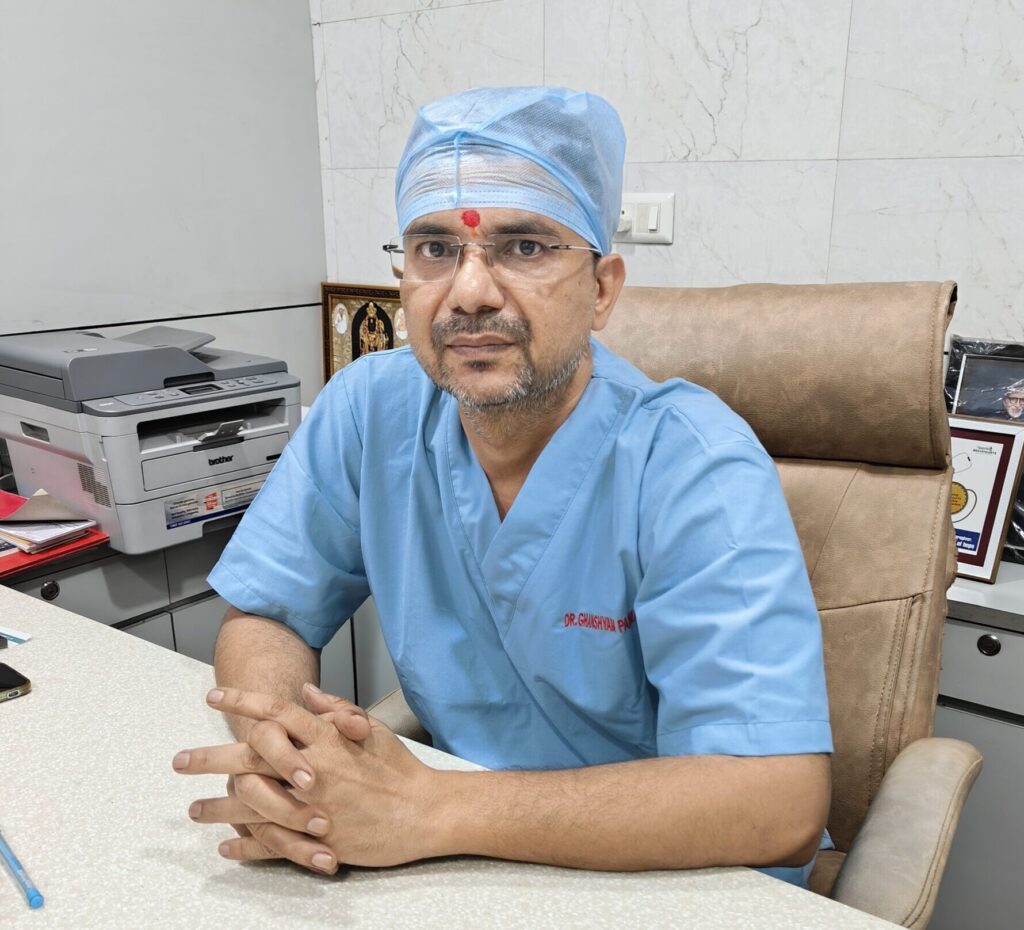
Dr. Ghanshyam Parmar

(M.S.) - Laparoscopic, Bariatric & General Surgeon

Dr. Ghanshyam Parmar is a highly experienced and renowned Laparoscopic and Bariatric Surgeon, known for his precision, compassionate care, and advanced surgical expertise. With years of dedicated experience, he successfully treated thousands of patients with minimally invasive techniques that ensure faster recovery and better results.

Extensive experience in advanced laparoscopic and bariatric surgeries Specialized expertise in gallbladder, appendix, hernia, endocrine & gastrointestinal surgeries
Performs minimally invasive procedures ensuring less pain and quicker recovery

known for handling complex and critical surgical cases with high success rates
Dedicated full-time surgeon at Siddhi Vinayak Surgical Hospital & Trauma Center

Why Choose us

Expert Surgeon

From laparoscopic, bariatric, endocrine, Gl hernia, urology, and trauma surgeries - SVS Hospital delivers complete surgical solutions. major and ondition

Advanced Minimally Invasive Technology

Our hospital is equipped with the latest HD laparoscopic systems, modern surgical instruments, and advanced diagnostic facilities ensuring minimal pain, fewer complications, and faster recovery.

Comprehensive Surgical Care Under One Roof

From laparoscopic, bariatric, endocrine, Gl, hernia, urology, and trauma surgeries-SVS Hospital delivers complete surgical solutions. for every major and minor condition.

24×7 Trauma & Emergency

We provide round-the-clock emergency care with a fully trained team to handle accidents, acute abdomen, injuries, and urgent surgical situations with immediate attention.

Patient-Centric Approach & Ethical Care

Every patient receives personalized treatment, clear guidance, and compassionate care. We believe in ethical practice, transparency, and building trust through honest communication.

High Success Rate & Excellent Post-Operative Recovery

Our expert surgical methods, advanced technology, and strict safety protocols ensure superior treatment success, smooth post-surgery recovery, and long-term health benefits.

Our Patient Love us

Where Minimally Invasive Care Leads to Maximum Recovery

SF-2, Siddhi Vinayak Arcade, Odhav Rd, Above BOI Bank, Odhav Industrial Estate, Odhav, Ahmedabad, Gujarat 382415

Scroll to Top