Large Intestine Disease: Causes, Symptoms & Treatment at Siddhi Vinayak Surgical Hospital | Dr. Ghanshyam Parmar

Introduction to Large Intestine Disease

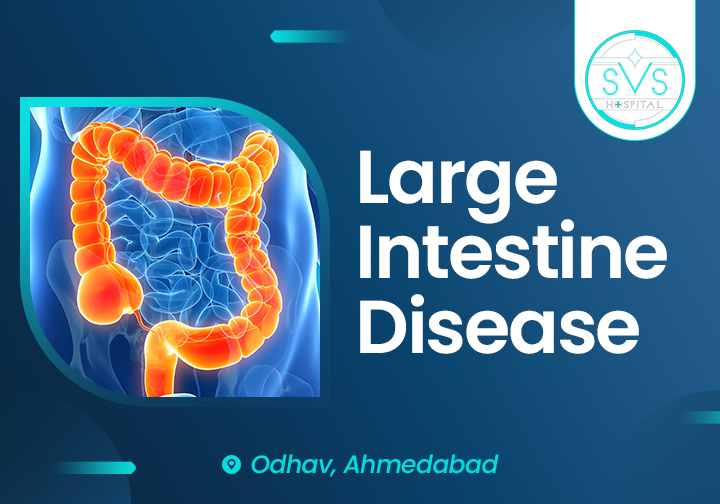
The large intestine, also called the colon, is the final section of the digestive system. It plays a key role in absorbing water, forming stool, and maintaining the body’s fluid balance. When diseases affect the large intestine, they can disrupt digestion, cause pain, and significantly impact daily life.

From common conditions like constipation and colitis to serious problems such as colon cancer, large intestine diseases require timely diagnosis and expert treatment.

At Siddhi Vinayak Surgical Hospital, Dr. Ghanshyam Parmar provides comprehensive and advanced treatment solutions for all types of colon and large intestine disorders.

Major Functions of the Large Intestine

The large intestine is responsible for:

1. Absorbing Water

It converts liquid waste into solid stool.

2. Maintaining Electrolyte Balance

Regulates sodium, potassium, and other essential nutrients.

3. Stool Formation & Storage

Stores waste until it is eliminated.

4. Supporting Gut Bacteria

Millions of healthy bacteria help digestion and immunity.

A healthy large intestine is essential for overall digestive health.

Types of Large Intestine Diseases

Large intestine diseases are diverse and vary in severity.

1. Colitis

Inflammation of the colon caused by infection or irritation.

2. Ulcerative Colitis

A chronic autoimmune condition causing ulcers and bleeding in the colon.

3. Crohn’s Disease (Colon Involvement)

A long-term inflammatory disease affecting any part of the digestive tract, often including the large intestine.

4. Irritable Bowel Syndrome (IBS)

A functional disorder causing abdominal pain, bloating, and irregular bowel habits.

5. Diverticulitis

When small pouches in the colon wall become infected or inflamed.

6. Colon Polyps

Small growths inside the colon; some may become cancerous.

7. Colon Cancer

A serious condition often starting from polyps.

8. Intestinal Infections

Caused by bacteria, viruses, or parasites.

9. Chronic Constipation Disorders

Difficulty passing stool due to weak colon movement or poor diet.

Causes of Large Intestine Diseases

Common causes include:

  • Eating low-fiber foods

  • Infections

  • Autoimmune disorders

  • Stress and anxiety

  • Poor lifestyle habits

  • Genetic predisposition

  • Food intolerances

  • Long-term painkiller or antibiotic use

These factors can damage the colon lining, weaken muscles, or cause inflammation.

Risk Factors

You are more likely to develop colon-related diseases if you:

  • Are above 40 years of age

  • Have a family history of colon disorders

  • Smoke or drink alcohol

  • Eat highly processed foods

  • Are overweight

  • Lead a sedentary lifestyle

  • Have chronic digestive issues

Symptoms of Large Intestine Diseases

Common symptoms include:

  • Abdominal pain or cramps

  • Bloating and gas

  • Constipation

  • Diarrhea

  • Mucus or blood in stool

  • Sudden changes in bowel habits

  • Feeling of incomplete evacuation

  • Unexplained weight loss

  • Weakness or fatigue

Symptoms vary depending on the underlying condition.

Severe Symptoms That Require Immediate Medical Attention

  • Persistent bleeding

  • Severe dehydration

  • Fever with abdominal pain

  • Vomiting

  • Intestinal blockage

  • Extreme weakness

These signs may indicate complications.

Complications If Large Intestine Diseases Are Ignored

Untreated colon diseases can lead to:

  • Severe infection

  • Bowel perforation

  • Abscess formation

  • Malnutrition

  • Fistulas

  • Narrowed colon (stricture)

  • Colon cancer (especially from polyps or chronic inflammation)

Early treatment prevents long-term damage.

Diagnosis at Siddhi Vinayak Surgical Hospital

Diagnosis includes:

1. Colonoscopy

The most accurate test to examine the colon, detect polyps, bleeding, infection, or cancer.

2. CT Scan

Reveals inflammation, obstruction, or tumors.

3. Ultrasound

Helpful for infections or fluid collections.

4. Stool Tests

Detect infection, blood, or inflammatory markers.

5. Blood Tests

Check for anemia, infection, or inflammation.

6. Biopsy

Samples taken during colonoscopy help diagnose cancer or autoimmune disorders.

Treatment Options

1. Medications

  • Antibiotics (for infection)

  • Anti-inflammatory drugs

  • Steroids (for ulcerative colitis or Crohn’s)

  • Antispasmodics (for IBS)

  • Laxatives or stool softeners

  • Pain management

2. Diet & Lifestyle Modifications

  • High-fiber foods

  • Plenty of water

  • Low-fat diet

  • Avoid spicy, fried foods

  • Stress reduction

3. Probiotics

Support healthy gut bacteria.

4. Endoscopic Treatments

  • Polyp removal

  • Controlling bleeding

  • Dilating strictures

5. Surgery

Required for:

  • Colon cancer

  • Severe Crohn’s or colitis

  • Obstruction

  • Complicated diverticulitis

  • Perforation

Laparoscopic surgery offers faster recovery and minimal pain.

Living With Large Intestine Disease

To manage symptoms effectively:

  • Eat a fiber-rich diet

  • Stay hydrated

  • Avoid smoking & alcohol

  • Manage stress through yoga or meditation

  • Follow regular bowel habits

  • Take prescribed medication

  • Attend follow-up colonoscopy if required

Discipline improves long-term colon health.

Prevention Tips

  • Eat whole grains, fruits, and vegetables

  • Exercise daily

  • Avoid processed and junk foods

  • Drink enough water

  • Limit alcohol

  • Regular health check-ups after age 40

  • Avoid unnecessary antibiotics

Healthy habits protect your digestive system.

Best Gastro & Laparoscopic Surgeon in India

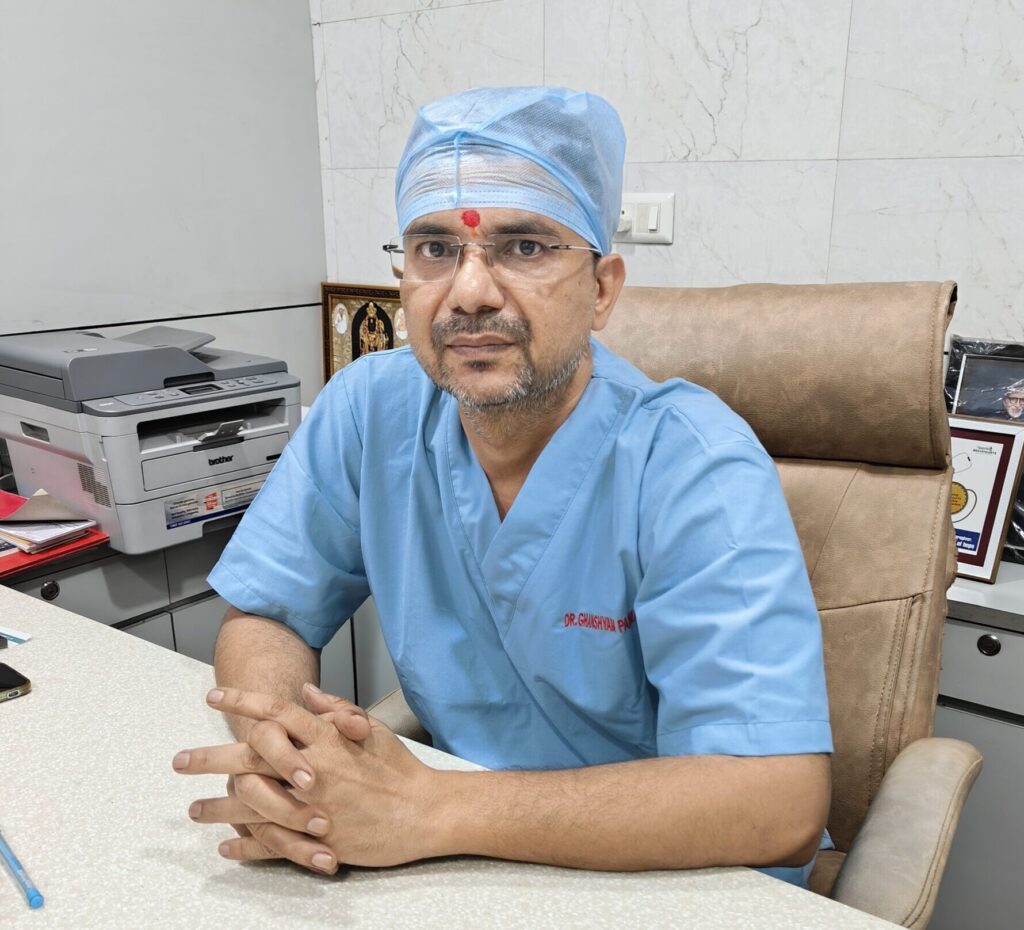
Dr. Ghanshyam Parmar

(M.S.) - Laparoscopic, Bariatric & General Surgeon

Dr. Ghanshyam Parmar is a highly experienced and renowned Laparoscopic and Bariatric Surgeon, known for his precision, compassionate care, and advanced surgical expertise. With years of dedicated experience, he successfully treated thousands of patients with minimally invasive techniques that ensure faster recovery and better results.

Extensive experience in advanced laparoscopic and bariatric surgeries Specialized expertise in gallbladder, appendix, hernia, endocrine & gastrointestinal surgeries
Performs minimally invasive procedures ensuring less pain and quicker recovery

known for handling complex and critical surgical cases with high success rates
Dedicated full-time surgeon at Siddhi Vinayak Surgical Hospital & Trauma Center

Why Choose us

Expert Surgeon

From laparoscopic, bariatric, endocrine, Gl hernia, urology, and trauma surgeries - SVS Hospital delivers complete surgical solutions. major and ondition

Advanced Minimally Invasive Technology

Our hospital is equipped with the latest HD laparoscopic systems, modern surgical instruments, and advanced diagnostic facilities ensuring minimal pain, fewer complications, and faster recovery.

Comprehensive Surgical Care Under One Roof

From laparoscopic, bariatric, endocrine, Gl, hernia, urology, and trauma surgeries-SVS Hospital delivers complete surgical solutions. for every major and minor condition.

24×7 Trauma & Emergency

We provide round-the-clock emergency care with a fully trained team to handle accidents, acute abdomen, injuries, and urgent surgical situations with immediate attention.

Patient-Centric Approach & Ethical Care

Every patient receives personalized treatment, clear guidance, and compassionate care. We believe in ethical practice, transparency, and building trust through honest communication.

High Success Rate & Excellent Post-Operative Recovery

Our expert surgical methods, advanced technology, and strict safety protocols ensure superior treatment success, smooth post-surgery recovery, and long-term health benefits.

Our Patient Love us

Where Minimally Invasive Care Leads to Maximum Recovery

SF-2, Siddhi Vinayak Arcade, Odhav Rd, Above BOI Bank, Odhav Industrial Estate, Odhav, Ahmedabad, Gujarat 382415

Scroll to Top